


Investing in Metals for Beginners: Gold, Copper, Lithium and Other Opportunities Explained
- Adam Silva
- 4 days ago
- 4 min read


As investors search for ways to diversify their portfolios and capitalize on long-term economic trends, metals continue to attract attention as one of the world's most important asset classes. From gold and silver to copper, lithium, uranium, and rare earth elements, metals play a critical role in everything from infrastructure and manufacturing to clean energy and national defense.
For beginners, however, investing in metals can seem overwhelming. The sector includes dozens of commodities, hundreds of mining companies, and multiple investment strategies. Understanding the basics can help investors identify opportunities while avoiding common mistakes.
Why Investors Buy Metals
Unlike many financial assets, metals have intrinsic value because they are essential to modern society. Every major economy depends on metals for construction, transportation, energy production, technology, and industrial manufacturing.
Investors are often drawn to metals for several key reasons:
Protection against inflation
Portfolio diversification
Exposure to global economic growth
Participation in emerging technology trends
Potential gains during commodity bull markets
As governments invest heavily in infrastructure, renewable energy, artificial intelligence, defense systems, and supply chain security, demand for many metals is expected to remain strong for years to come.
Understanding the Different Types of Metals
Precious Metals
Precious metals have long been viewed as stores of value and safe-haven assets.
Gold
Gold remains the most popular metal investment worldwide. During periods of economic uncertainty, inflation, market volatility, or geopolitical tensions, investors often turn to gold as a defensive asset.
Gold can be purchased through physical bullion, exchange-traded funds (ETFs), mining stocks, or royalty companies.
Silver
Silver offers a unique combination of investment and industrial demand. While many investors view silver as a precious metal, it is also used extensively in solar panels, electronics, medical equipment, and advanced manufacturing.
Because of this dual demand, silver can benefit from both economic growth and investor sentiment.
Base Metals: The Backbone of Industry
Base metals are essential for economic development and industrial production.
Copper
Often referred to as the "metal of electrification," copper is one of the most important commodities in the world.
Copper is used in:
Electrical wiring
Electric vehicles
Renewable energy projects
Data centers
Telecommunications infrastructure
As the world transitions toward electrification, many analysts believe copper demand could significantly outpace supply over the coming decades.
Nickel
Nickel plays a major role in stainless steel production and electric vehicle batteries. Growing demand from battery manufacturers has made nickel one of the most closely watched industrial metals.
Zinc
Zinc is primarily used to protect steel from corrosion and remains a critical component in construction and infrastructure projects around the world.
Critical Minerals and the Energy Transition
Critical minerals have become increasingly important as governments seek secure supply chains for advanced technologies.
Lithium
Lithium is a key ingredient in rechargeable batteries used in electric vehicles, smartphones, laptops, and energy storage systems.
The rapid growth of electric vehicles has transformed lithium into one of the most talked-about commodities in the investment world.
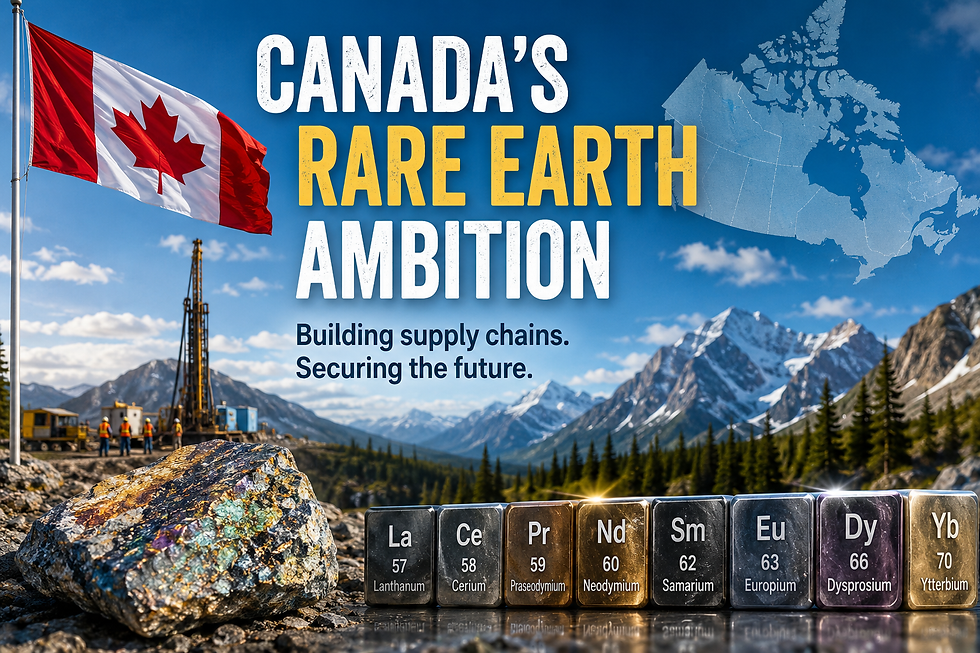
Rare Earth Elements
Rare earth elements are a group of minerals essential for manufacturing powerful magnets used in electric motors, wind turbines, consumer electronics, and military equipment.
Countries around the world are investing heavily in rare earth supply chains as they seek to reduce dependence on foreign suppliers.
Graphite, Cobalt, and Manganese
These materials are also crucial components in battery production and are expected to play an increasingly important role as demand for energy storage grows.
Uranium: The Nuclear Opportunity
Although technically classified separately from traditional metals, uranium is often included in resource investment discussions.
Growing concerns about energy security and carbon emissions have led many countries to embrace nuclear power as part of their long-term energy strategies.
As a result, uranium has experienced renewed investor interest in recent years.
How Beginners Can Invest in Metals
Physical Bullion
Buying physical gold or silver bars and coins provides direct ownership of the underlying metal.
While this approach eliminates company-specific risk, investors must consider storage, insurance, and liquidity.
Exchange-Traded Funds (ETFs)
For most beginners, ETFs offer one of the simplest ways to gain exposure to metals.
Commodity ETFs can track the price of gold, silver, uranium, copper, or baskets of mining companies while providing instant diversification.
Mining Stocks
Mining companies offer indirect exposure to metal prices.
When commodity prices rise, mining companies can often generate significant earnings growth. However, mining stocks also carry risks related to operations, financing, permitting, and production costs.
Royalty and Streaming Companies
Royalty companies finance mining projects in exchange for future revenue or production rights.
Many investors favor royalty companies because they can benefit from rising commodity prices without directly operating mines.
Risks New Investors Should Understand
While metals can provide attractive opportunities, they are not risk-free.
Commodity prices can fluctuate due to:
Economic growth rates
Interest rate changes
Inflation
Currency movements
Government regulations
Geopolitical events
Supply disruptions
Mining stocks are often more volatile than the underlying metals themselves, making diversification especially important for beginners.
A Simple Metals Portfolio for Beginners
Investors new to the sector may consider building exposure gradually through a diversified approach.
A basic metals allocation might include:
Gold for stability and inflation protection
Copper for industrial growth
Uranium for energy security
Critical minerals for electrification and technology trends
A diversified mining ETF for broader sector exposure
This strategy allows investors to participate in multiple long-term trends while reducing dependence on any single commodity.
The Future of Metal Investing
The global economy is becoming increasingly resource intensive. Electric vehicles, renewable energy systems, artificial intelligence infrastructure, advanced manufacturing, defense technologies, and energy storage all require enormous quantities of metals and minerals.
As demand continues to grow and new supply becomes harder to develop, metals are likely to remain a major focus for investors seeking long-term opportunities.
For beginners, understanding the role metals play in the global economy can provide a valuable foundation for building a diversified investment portfolio and participating in some of the most important economic trends of the coming decades.
SEO Keywords:
investing in metals, metals investing for beginners, beginner guide to investing in metals, gold investing, silver investing, copper investing, lithium investing, uranium investing, rare earth investing, critical minerals investing, commodity investing, mining stocks, mining investments, precious metals investing, base metals investing, resource stocks, commodity markets, gold stocks, copper stocks, lithium stocks, uranium stocks, rare earth stocks, energy transition metals, battery metals, critical minerals, natural resource investing, investment diversification, inflation hedge investments, commodity ETFs, mining sector investing, resource sector investing, metals market outlook, investing in commodities, beginner investment guide, long-term investing, clean energy metals, industrial metals, strategic minerals, mining industry, global commodity trends

Comments